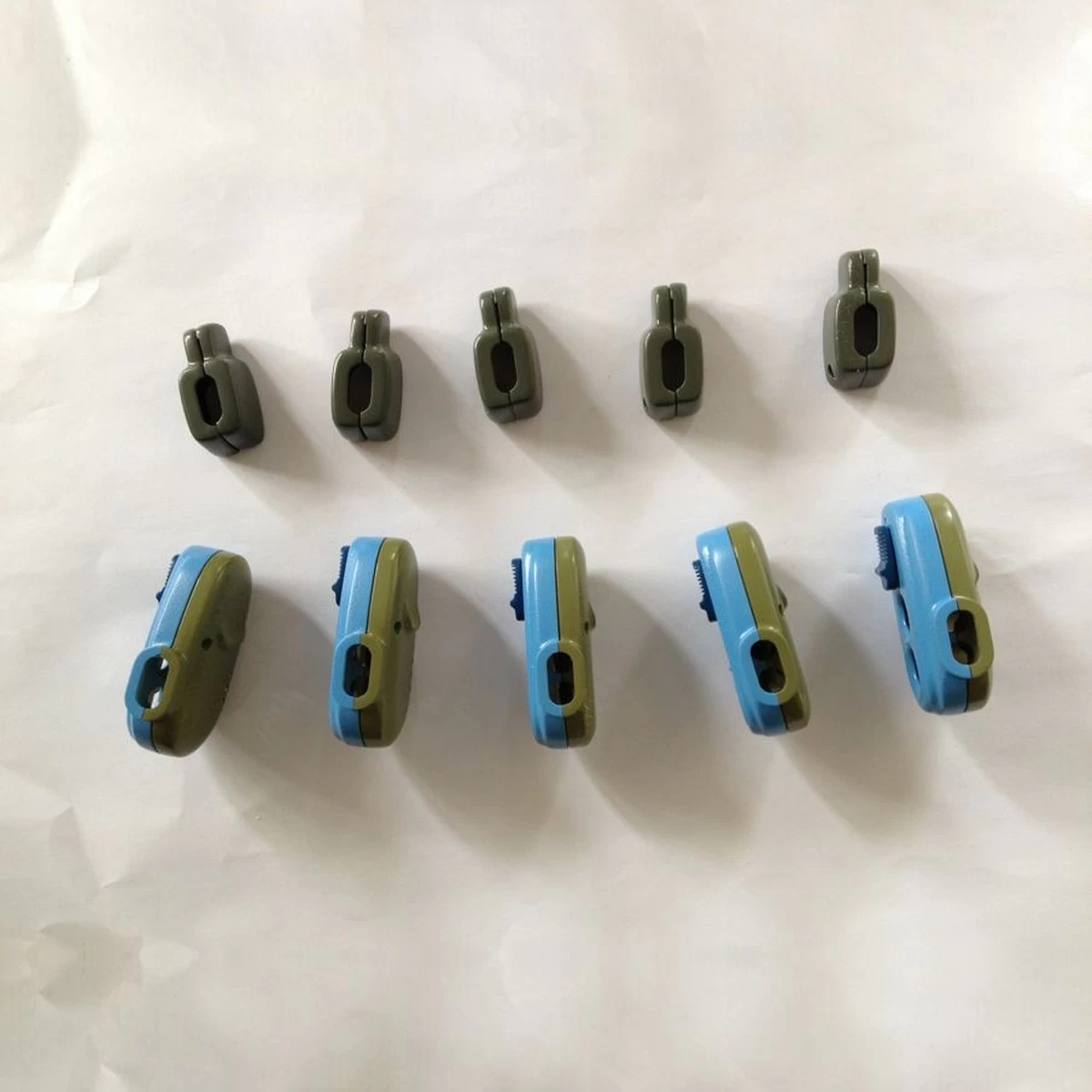
### Exploring the Versatility of Plastic Components: Innovations and Applications
In today’s rapidly evolving industrial landscape, plastic components have emerged as critical elements across a multitude of sectors. Their lightweight nature, durability, and adaptability make them an ideal choice for a wide range of applications. This article delves into the various innovations and uses of plastic components, highlighting their significance in modern manufacturing and technology.
#### The Composition and Types of Plastic Materials
Plastic is a synthetic material made from polymers, which are long chains of molecules. There are several types of plastics, each with distinct properties that make them suitable for specific applications. Common categories include:
1. **Thermoplastics**: These plastics can be melted and reformed multiple times without losing their chemical structure. Examples include polyethylene (PE), polypropylene (PP), and polyvinyl chloride (PVC). Their recyclability makes them a sustainable choice in manufacturing.
2. **Thermosetting Plastics**: Unlike thermoplastics, these materials harden permanently after being shaped. Common examples are epoxy and phenolic resins, often used in electrical insulation and automotive parts due to their heat resistance and durability.
3. **Elastomers**: Known for their rubber-like flexibility, elastomers are used in applications requiring significant stretch and resilience, such as seals and gaskets.
#### Innovations in Plastic Component Manufacturing
The manufacturing of plastic components has seen remarkable advancements over the years. Techniques such as injection molding, 3D printing, and blow molding are revolutionizing how these components are created. Injection molding, for example, allows for high-volume production of complex shapes with precision, making it ideal for producing intricate components used in electronics, automotive parts, and consumer goods.
3D printing technology has opened new avenues for customization and rapid prototyping. It enables manufacturers to create bespoke components tailored to specific requirements, reducing waste and production time. As a result, businesses can innovate faster and respond to market demands more effectively.
#### Applications Across Various Industries
Plastic components are ubiquitous across numerous industries, including:
- **Automotive**: The automotive industry utilizes plastic components for interior parts, dashboards, and fuel systems, contributing to weight reduction and improved fuel efficiency.
- **Electronics**: From casings to circuit boards, plastics play a vital role in the electronics sector, offering electrical insulation and protection against environmental factors.
- **Medical Devices**: In healthcare, plastic components are essential for disposable syringes, IV bags, and various medical instruments, where sterility and cost-effectiveness are paramount.
- **Packaging**: The packaging industry relies heavily on plastic materials for their versatility and ability to preserve product integrity. Innovations in biodegradable plastics are also paving the way for more sustainable packaging solutions.
#### Conclusion
The versatility of plastic components cannot be overstated. As technology continues to advance, the potential applications for plastic materials will only expand. Manufacturers and engineers must stay abreast of innovations in plastic technology to harness its full potential while addressing environmental concerns associated with plastic waste. By embracing sustainable practices and exploring new manufacturing techniques, industries can continue to benefit from the invaluable properties of plastic components, ensuring they remain a cornerstone of modern production processes.